Alexandra Palace move logistics for furniture removals
Posted on 15/06/2026
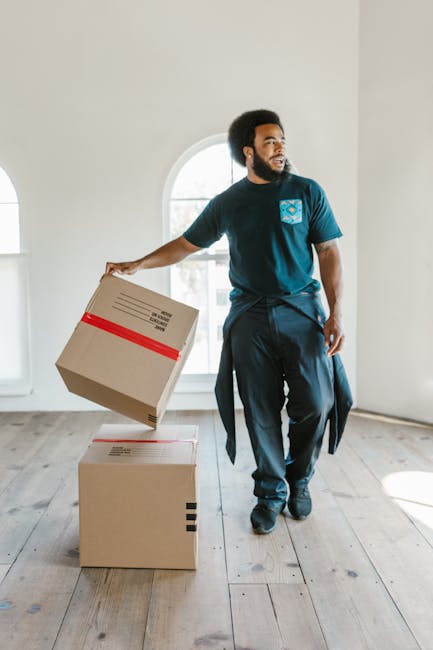
Moving furniture around Alexandra Palace is rarely just a matter of loading a van and heading off. Between steep roads, busy local traffic, tight staircases, shared entrances, and the usual "this sofa looked smaller in the shop" moment, the logistics can get messy fast. If you are planning Alexandra Palace move logistics for furniture removals, the real job is to organise access, timing, packing, protection, and vehicle choice in a way that keeps the day calm and the furniture intact.
This guide breaks the process into practical steps. It covers what makes moving near Alexandra Palace different, how furniture removals are typically organised, what to expect from a local moving team, and how to avoid the small mistakes that become big delays. If you want a smoother move, fewer surprises, and less standing around while a wardrobe blocks the hallway, you are in the right place.
Why Alexandra Palace move logistics for furniture removals Matters
Alexandra Palace is not a generic London postcode where you can improvise and hope for the best. The area has a mix of residential streets, varied access conditions, and homes that can present awkward carrying routes. Some properties are straightforward. Others, not so much. You may have narrow internal staircases, shared access, limited loading space, or a parking situation that becomes awkward the moment a removal vehicle arrives.
That is why logistics matter so much. Furniture removals are physical, time-sensitive, and easy to slow down with one overlooked detail. If the crew cannot park close enough, if large items were not measured in advance, or if the building requires careful coordination, the whole move can slip. And once time slips, stress tends to follow. Quickly.
Good logistics protect more than the clock. They reduce the risk of scratches, breakages, strained backs, blocked hallways, and neighbour complaints. They also help you choose the right service level. A small flat move with a couple of bulky pieces may need a different setup from a full-house relocation or an office move with desks, shelving, and awkward filing cabinets.
To put it plainly: the better the logistics, the less your move feels like a scramble. You still have the usual moving-day noise, tape, wrapping paper, and that one box you swear contained chargers but now seems to contain only mystery. But the important parts run more smoothly.
If you want a broader view of the services behind a furniture move, it can help to look at the wider services overview and the practical details of furniture removals.
How Alexandra Palace move logistics for furniture removals Works
At a practical level, furniture moving logistics are about sequencing. First you assess the property. Then you decide what needs dismantling, what needs protection, what can be carried as-is, and what vehicle and crew size will be appropriate. After that, you plan the route from room to van, and from van to destination, with enough margin for the realities of London moving.
A typical process looks like this:
- Pre-move survey or inventory - List the furniture, note awkward items, and identify anything fragile, valuable, or unusually heavy.
- Access check - Measure doors, stairwells, lift sizes, hallway bends, garden gates, and street parking options.
- Packing and protection - Wrap surfaces, secure drawers, bag hardware, and label parts if disassembly is needed.
- Vehicle planning - Match the van size to the load so you avoid wasted trips or cramming items in too tightly.
- Loading sequence - Load the heaviest and most stable items first, then layer around them with softer items and boxed goods.
- Delivery and placement - Unload in a logical order so furniture goes into the right rooms without constant reshuffling.
That sounds simple, and in theory it is. In real life, a move near Alexandra Palace may involve other variables: timed access windows, stair-only properties, fragile antiques, or bulky pieces such as wardrobes, beds, and pianos. If you have a piano, the job changes again. That is not a casual lift-and-carry task; it usually needs specialist handling, and a dedicated piano removals service is the safer route.
For people comparing general moving support, a man and van option can work well for smaller furniture loads, while larger or more complex jobs may be better suited to a fuller removal van setup. It depends on the size of the job, not just how far you are going.
Key Benefits and Practical Advantages
There is a very simple reason people take furniture moving logistics seriously: it saves time, money, and hassle. But the benefits go deeper than that.
- Fewer delays on the day - When the route, parking, and item list are sorted in advance, the crew can work instead of waiting around.
- Lower damage risk - Proper wrapping, measuring, and handling reduce knocks to corners, legs, mirrors, and finishes.
- Better use of labour - The right team size and van size prevents underestimating the job or paying for more capacity than you need.
- Less stress for you - You are not trying to solve parking, cupboard disassembly, and loading order all at once.
- Cleaner move-in experience - Furniture arrives in the correct rooms with less back-and-forth carrying.
One of the underrated benefits is that good logistics give you a clearer sense of control. Moving can feel noisy and chaotic, especially around an area like Alexandra Palace where streets can be busy at peak times and access can be a little fiddly. But once the plan is built properly, the day feels more like a process than a crisis.
If you are still comparing how to structure the move, browsing removal services can help you understand where furniture transport fits alongside packing, loading, and storage. And if you need temporary holding space for items that cannot go in straight away, storage options may be worth considering.
Expert summary: The biggest win in furniture removals is not speed on its own. It is a move plan that matches access, vehicle size, furniture type, and the realities of London streets. Get those aligned and everything else becomes much easier.
Who This Is For and When It Makes Sense
This kind of logistics planning makes sense for more people than you might think. It is not just for big family houses or complicated commercial moves.
- Flat movers with narrow stairs, shared entrances, or awkward layouts
- House movers with bulky furniture, garden access issues, or multiple floors
- Students moving heavier items such as desks, beds, and shelving units
- Office movers relocating desks, chairs, filing systems, and meeting furniture
- People moving into or out of rented property with strict time windows
- Anyone with fragile or high-value furniture who wants extra handling care
It also makes sense when timing matters. If you are trying to move between tenancies, coordinate with cleaners, or complete a same-day handover, the moving logistics suddenly matter a lot more. In those cases, services such as flat removals, house removals, or even same-day removals may be relevant depending on your timeline.
Truth be told, some people only realise they need proper logistics when the first large item gets stuck halfway through the doorway. That is usually the moment the measuring tape suddenly becomes everyone's favourite tool.
Step-by-Step Guidance
Here is a practical way to plan furniture removals near Alexandra Palace without missing the important bits.
1. Make a room-by-room inventory
Write down each item that needs moving. Include dimensions if you can. Not because you need to be perfect, but because you need to spot the awkward pieces early. A large sofa, a bed frame, glass furniture, or a heavy sideboard may need extra handling or partial dismantling.
2. Measure access points before moving day
Measure doorways, hallways, stair turns, lift openings, and any outside path from the property to the vehicle. A lot of moving headaches come from forgetting one bend in the stairwell or one tight corner by the front door. If your property is older or has limited access, this step matters even more. There is a useful discussion of tight access challenges in the article about tight stair access solutions.
3. Decide what should be dismantled
Some items move best as a whole piece. Others do not. Beds, wardrobes, modular shelving, and certain tables may need to be taken apart. If hardware is removed, keep it in labelled bags and tape them to the matching item or store them in one clearly marked box. A small habit, but a very useful one.
4. Protect furniture properly
Wrap corners, glass, and polished surfaces. Use blankets, shrink wrap, and padding where needed. Drawers should be secured so they do not slide open mid-carry. Cushions and removable parts should be packed separately or tied down, depending on the item.
5. Plan the loading order
Load the largest, heaviest, and most stable furniture first. Softer items, boxed household goods, and lighter pieces can then be used to fill gaps around them. This makes the van safer in transit and reduces movement inside the load.
6. Confirm parking and arrival timing
Parking is one of the classic moving-day headaches. Around busy residential pockets, you may need to allow extra time for vehicle access, especially if the street is narrow or parking spaces are scarce. A local team can often advise on timing, but you should still think about it early. A five-minute delay can become twenty rather quickly, especially if another vehicle is already where you hoped to stop.
7. Unload with placement in mind
When you arrive, decide in advance which room each item belongs in. This saves re-carrying heavy pieces later. If possible, place items near the wall they will ultimately sit against. It feels a bit unglamorous, maybe, but it prevents the very tedious "move it two feet to the left" dance.
Expert Tips for Better Results
A few small decisions can make a big difference. These are the ones that tend to matter most in real moves.
- Label by room, not just by item type. "Kitchen" is clearer than "fragile" when the boxes start stacking up.
- Keep essentials separate. Put keys, chargers, medication, documents, and a kettle in a clearly marked personal bag.
- Take photos before dismantling. This helps you remember how furniture fits back together. It also saves a lot of head-scratching later.
- Tell your movers about awkward items early. Do not wait until the van is outside to mention the oversized mirror or the solid oak table.
- Use the right service level. Smaller moves may suit a man with a van service; larger household or multi-item jobs may need a broader team.
In our experience, the best moving days are never the flashiest ones. They are the boring ones, really. The ones where everyone knows the plan, the boxes are labelled, and no one is discovering a missing leg bolt at 8:40 in the morning.
Another practical tip: if you have items that are slow to decide on, think about whether they should move now or be stored temporarily. A clean handover is easier when you are not forcing every single thing into the same vehicle at the same moment. That is where storage support can take the pressure off.

Common Mistakes to Avoid
Most furniture removal problems are avoidable. The tricky bit is that the mistakes often look small at first.
- Not measuring furniture or access routes - A sofa that fits in the lounge may not fit through the stairwell.
- Choosing the wrong van size - Too small means extra trips; too large can mean paying for more capacity than you need.
- Packing too late - If packing still feels like a half-finished Sunday job on moving morning, the schedule will suffer.
- Forgetting about parking and loading space - The van has to stop somewhere sensible, and ideally not half a street away.
- Ignoring heavy or specialist items - Pianos, large mirrors, antiques, and oversized wardrobes need careful handling.
- Failing to ask about insurance - You should know what is covered before anything is lifted.
A little honesty helps here. People often underestimate how long it takes to move furniture through a property, especially if the building has one of those stairs that seem to twist twice before the first landing. It happens. Planning for "slower than expected" is not pessimism; it is just sensible.
If you are comparing providers, it is worth looking at removal companies in Haringey and checking which ones can actually handle the access conditions, not just list them on a page.
Tools, Resources and Recommendations
You do not need a warehouse full of gear to manage a furniture move well. But a few items and a little preparation go a long way.
| Tool or resource | What it helps with | Why it matters |
|---|---|---|
| Measuring tape | Furniture dimensions and access checks | Prevents avoidable size surprises |
| Furniture blankets | Surface protection during transit | Reduces scratches and chips |
| Strong tape and labels | Box identification and hardware storage | Makes reassembly much easier |
| Tool kit | Dismantling and reassembly | Saves time when furniture needs to come apart |
| Inventory list | Move planning | Helps coordinate crew, van size, and room placement |
For packing support, packing and boxes guidance can help you prepare the rest of the home around the furniture. For service choices, removals in Haringey is a useful starting point if you want to see the broader moving picture.
There is also value in checking practical details before you book. The pages on pricing and quotes, insurance and safety, and health and safety policy can help you understand what a careful moving setup should look like.
Law, Compliance, Standards, or Best Practice
Furniture removals in the UK are not usually complicated by heavy regulation for a normal household move, but there are still important best-practice and safety expectations to keep in mind. A professional mover should be able to explain how items are handled, how loading is managed, and what happens if damage or access issues arise.
From a practical perspective, the main things to check are:
- Insurance cover - Understand what is included and what exclusions may apply.
- Safe lifting practice - Heavy items should be moved with suitable technique and, where needed, the right equipment.
- Clear terms and conditions - You should know the booking expectations, cancellation terms, and any relevant service limits.
- Privacy and payment handling - If you are sharing personal details or paying online, the provider should handle this carefully.
If you want to read more about the company's approach to service expectations and customer process, useful background is available on terms and conditions, payment and security, and privacy policy. These pages help set expectations before the truck arrives and the day gets moving.
Best practice also extends to sustainability. Reusing packing materials where suitable, avoiding unnecessary trips, and disposing of unwanted items responsibly all reduce waste. If that matters to you, have a look at recycling and sustainability.
Options, Methods, or Comparison Table
The right moving method depends on how much furniture you have, how tricky the access is, and how quickly you need the job done. Here is a simple comparison.
| Option | Best for | Strengths | Trade-offs |
|---|---|---|---|
| Man and van | Small furniture loads, quick collections, a few large items | Flexible, often practical for compact moves | Less suitable for larger households or many bulky items |
| Removal van service | Moderate to larger furniture moves | More load space, better for fuller moves | May be more than you need for a very small job |
| Full removals service | Whole-house or complex moves | More support for packing, loading, and access coordination | Usually the highest level of planning and cost |
| Storage-first move | Staged moves, delayed completion, decluttering | Reduces pressure on moving day | Needs extra coordination and may add time |
If you are still unsure which route fits your situation, the best answer is usually to compare the load size, property access, and timing. Then choose the option that fits the job instead of forcing the job to fit the option. That sounds obvious, but it saves a lot of trouble.
For some readers, a related local article like same-day removals in Wood Green may also be helpful if timing is part of the problem.
Case Study or Real-World Example
Imagine a couple moving from a second-floor flat near Alexandra Palace into a terraced house elsewhere in Haringey. They have a sofa, two beds, a dining table, a chest of drawers, a mirror, and about twenty boxes. Nothing outrageous. But the flat has a narrow stairwell, the sofa is deep, and the street parking is limited.
Without a plan, the day starts badly. The van arrives, but there is no clear parking space close to the building. The sofa doesn't fit round the stair bend on the first attempt. The bed hardware is somewhere in an unlabelled bag. Everyone is tired by 11:15.
With good logistics, the same move looks very different. The team checks access in advance, the sofa is measured before moving day, the bed is dismantled properly, and the boxes are labelled by room. The van is sized correctly, loading order is set, and the move is finished with far fewer pauses. Still a moving day, of course. Not a spa visit. But manageable, and a lot less fraught.
That sort of difference is why local experience matters. You can feel it in the rhythm of the job. Less guesswork, fewer aborted lifts, fewer "can we just try it this way?" moments.

Practical Checklist
Use this before the moving team arrives.
- Measure large furniture items.
- Check doorways, stair turns, and lift dimensions.
- Confirm parking and loading access.
- Decide what needs dismantling.
- Label boxes by room.
- Protect corners, glass, and polished surfaces.
- Keep screws and fittings in clearly labelled bags.
- Separate essentials you need on day one.
- Tell the team about any fragile or high-value pieces.
- Confirm timings, contacts, and payment details in advance.
One small but valuable habit: walk the route from the front door to the van the night before, if you can. You will spot the little things that normal indoor planning misses, like a tight gate latch or a low wall that makes carrying awkward. It is a tiny step. Still worth doing.
Get a free quote today and see how much you can save.
Conclusion
Alexandra Palace move logistics for furniture removals are really about making a complicated day feel controlled. When access is checked, furniture is measured, the right vehicle is chosen, and the load is planned sensibly, the whole move becomes easier to manage. That is true whether you are moving a single sofa, a whole flat, or a full household with a few awkward pieces in the mix.
If you are preparing for a move, do not leave the logistics to chance. Start with the furniture list, think through the route, and choose a service that understands the area and the practical realities of moving in North London. A bit of care upfront saves a lot of stress later, and honestly, that is one of the nicer little wins in life.
And once the last box is in the right room, you do get that quiet moment of relief. The kettle boils, the floor is finally visible, and everything begins to feel like home again.


