Man and van for Crouch End N8 tight stair access solutions
Posted on 29/05/2026
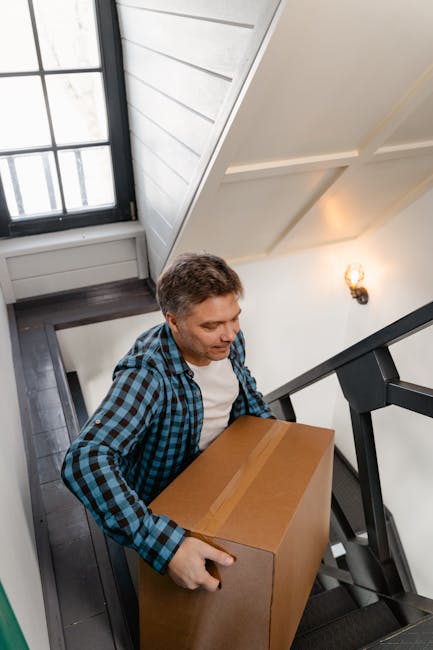
Moving in Crouch End can be a bit of a puzzle. Lovely Victorian and Edwardian homes, converted flats, shared houses, narrow hallways, awkward turns, and staircases that seem to have been designed by someone who never had to move a sofa. If you are looking for Man and van for Crouch End N8 tight stair access solutions, the real challenge is not just getting things from A to B. It is getting bulky items out safely, without damaging walls, bannisters, doors, or your back.
That is where a properly planned man and van service earns its keep. With the right approach, tight stair access stops being a nightmare and becomes a manageable job with the right lifting method, vehicle size, timing, and packing choices. This guide explains how it works, who it suits, what to avoid, and how to prepare so your move feels calmer from the start. To be fair, a little planning here saves a lot of sweat later.
Why Man and van for Crouch End N8 tight stair access solutions Matters
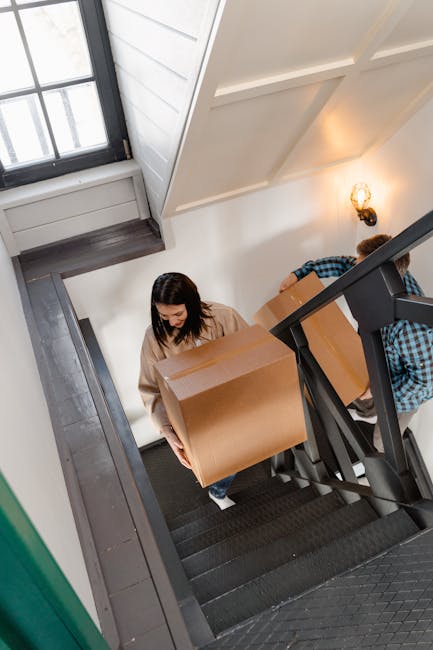
Stair access changes the whole shape of a move. In a straight, easy ground-floor job, a standard crew can usually load quickly and keep things simple. But in Crouch End, many properties have tight corners, split-level layouts, shallow landings, or stairwells that leave very little room to manoeuvre. That means the job needs more than muscle. It needs judgement.
Tight access matters because the wrong setup can lead to chipped paintwork, scuffed furniture, strained lifting, and delays that snowball. A bulky wardrobe that should have taken ten minutes can suddenly take half an hour of awkward shuffling, and that is before you realise the banister rail is in the way. You do not want the move to become an endurance test.
It also matters commercially. If you are comparing removal options, you need a service that understands local housing stock, narrow residential roads, and the practical reality of moving in an area like Crouch End N8. A good team will ask about stairs, parking, floor level, item sizes, and access points before they quote. That is a good sign. It means they are thinking ahead, not improvising on the day.
If you are planning a broader move in the borough, you may also want to look at removals in Haringey and the wider services overview to see how a small move fits within a bigger relocation plan.
How Man and van for Crouch End N8 tight stair access solutions Works
In practical terms, this kind of move starts with access planning. The driver or mover wants to know where the property sits, how many floors are involved, whether the staircase turns sharply, and whether large items need to be dismantled. That first conversation is not just admin. It shapes the whole job.
Typical steps look like this:
- Assessment - You describe the items, stairs, and any access issues. Photos can help a lot, especially if the staircase is narrow or curved.
- Vehicle and crew planning - The right-sized van is chosen so the load is efficient without making street access worse than it needs to be.
- Packing and protection - Furniture is wrapped, fragile items are boxed properly, and door frames or corners are protected where needed.
- Loading strategy - Large items are moved in a sensible order. Heavy items first? Not always. The sequence depends on the stair shape and what is being moved.
- Transport and delivery - Items are secured in the van, then delivered and carried in carefully at the destination.
In many cases, the solution is not brute force. It is removal of obstacles. A bed frame might be taken apart. A sofa may need to be rotated at the landing. A washing machine might be easier to move with two people and the right strap technique. Simple in theory, fiddly in reality.
For smaller jobs, a dedicated man with a van in Haringey can be the most efficient choice. For more involved access issues, combining that with furniture removals in Haringey can be the smarter route.
Key Benefits and Practical Advantages
The biggest benefit is control. When stair access is tight, control matters more than speed. A careful mover reduces the chance of bumps, delays, and awkward surprises. That alone can make the whole day feel less stressful.
Other practical advantages include:
- Better handling of awkward items such as wardrobes, mattresses, desks, and white goods.
- Less risk of property damage because the crew plans how to turn, lift, and pause on stair landings.
- More efficient use of time since the right van size and loading order reduce wasted effort.
- Flexible support for single-item moves, student moves, small flat moves, and short-notice relocations.
- Lower stress for you because you are not trying to wrestle a sofa round a staircase at 8:15 in the morning. Nobody needs that.
There is also a quieter advantage: better communication. Teams used to tricky access are usually better at asking the right questions. That means more accurate quotes, fewer misunderstandings, and a smoother day overall. If you are comparing providers, reviewing pricing and quotes early can help you spot whether a company has actually considered the access difficulty, or just guessed.
For some moves, the access challenge pairs neatly with other needs. A student relocation, for example, might involve stairs, a few boxes, and one awkward desk. A family move might need more planning and insurance-minded handling. You can explore student removals in Haringey or broader house removals in Haringey depending on what fits best.
Who This Is For and When It Makes Sense
This service is a strong fit if you live in, or are moving into, a property where the stairs are narrow, steep, awkward, or shared. That includes many flats above shops, converted houses, maisonettes, and older period homes around Crouch End. If you have ever looked at a staircase and thought, well, that is going to be fun, this section is for you.
It tends to make the most sense for:
- flat moves with one or two flights of stairs
- small house moves where the furniture is manageable but access is tricky
- student moves with bulky bags, boxes, and a few larger pieces
- single-item removals such as a sofa, fridge, bed, or piano
- same-day or short-notice moves where timing is tight
- people who want help without booking a full-scale removal team
It is less suitable if the property has no workable parking nearby and no realistic loading point, or if the item is so large that dismantling is the only sensible option. In those cases, a specialist plan is still possible, but the job needs a more careful survey.
For people moving into or out of upper-floor flats, the dedicated flat removals Haringey page is worth a look. And if there is a piano involved, do not guess your way through it - piano removals in Haringey are a different level of careful altogether.
Step-by-Step Guidance
Here is the simple version of how to prepare for a move with tight stair access. Nothing exotic. Just the stuff that makes the day work.
1. Measure the problem before it measures you
Check staircase width, landing space, doorway clearances, and the size of your biggest items. If something looks borderline, measure it properly. A tape measure is boring, yes, but it can save a lot of hassle.
2. Photograph awkward areas
Photos of the staircase, hallway, front door, and parking spot help the mover judge the space. A quick phone video walking from the pavement to the room can be even better. You do not need cinema quality. Just clear.
3. Decide what should be dismantled
Bed frames, some wardrobes, large desks, and table legs can often be removed to make stair access easier. If an item can come apart safely, it often should.
4. Protect the route
Use coverings for floors where needed, and clear coats, shoes, plant pots, and anything else that clutters the path. A neat route makes tight stairs feel wider. Strange but true.
5. Sort the loading order
Think about what needs to come out first. The mover may prefer to start with the item that is hardest to turn or lift. That one decision can shape the rest of the job.
6. Keep parking and access realistic
If the van cannot stop close enough, every item becomes harder to move. Plan for the nearest workable point and check for restrictions. In London, that tiny detail can make a big difference.
7. Stay available, but out of the way
It helps to be on hand for questions, but not hovering in the stairwell. Let the crew work the route. They need space and a bit of rhythm.
If you need packing support as well, take a look at packing and boxes in Haringey. Proper boxes and cushioning matter even more when stairs are tight and every corner is a little bit mean.
Expert Tips for Better Results
Experienced movers know that stairs are rarely the main problem on their own. The real issue is the combination of stairs, door angles, item shape, and time pressure. That is where the job gets awkward.
- Send measurements before moving day. Even rough measurements help a lot more than "it should fit".
- Use smaller loads where sensible. Two lighter trips can be easier than one overstuffed, awkward one.
- Remove mirrors, shelves, and loose fittings. They catch on clothing, hands, and door frames at the worst moment.
- Wrap corners and vulnerable surfaces. Bannisters and wall edges often get brushed accidentally.
- Build in extra time for older properties. Period homes can have surprises, like narrow turns or hidden steps.
A good rule of thumb: if you are wondering whether something will fit, assume it might not until it is tested. That sounds pessimistic, but it is actually efficient. You avoid the classic move-day panic where a sofa is halfway through a doorway and everyone goes quiet. Not ideal.
If your move is also time-sensitive, the guidance in same day removals in Haringey can be useful, and the related same-day removals in Wood Green guide gives a helpful sense of how short-notice planning works in practice.
Common Mistakes to Avoid
Most issues with tight stair access come from avoidable assumptions. The first one is assuming the job is "only a small move", so no special planning is needed. That is often where people get caught out.
Watch out for these mistakes:
- Not checking stair width properly before move day.
- Forgetting about landings and turns as if the staircase were a straight line. It never is.
- Leaving packing until the last minute which creates clumsy, uneven boxes.
- Ignoring parking constraints and assuming the van can just pull up outside.
- Booking the wrong type of service for a job that needs more than basic lifting help.
- Not warning the mover about fragile or valuable items in advance.
One more thing. Do not try to force oversize furniture down a staircase just because it might scrape through. That is the moment small damage becomes expensive damage. If the item needs to come apart, take the time to do it properly.
When in doubt, review the wider support available through removal services in Haringey so you can choose a service that matches the real complexity of the move, not the hoped-for version.
Tools, Resources and Recommendations
You do not need specialist equipment at home, but a few basic tools and sensible resources make a noticeable difference.
| Tool or resource | Why it helps | Best used for |
|---|---|---|
| Tape measure | Checks stair, doorway, and item dimensions | Planning access |
| Furniture blankets | Reduces scuffs and impact marks | Protecting larger items |
| Strong boxes | Keeps smaller items stable on stairs | Packing books, kitchenware, and mixed items |
| Straps and gloves | Improves grip and control | Handling awkward loads |
| Photos or short videos | Helps estimate difficulty before arrival | Quoting and planning |
For storage needs, especially if you are moving in stages or trying to empty a flat before a later date, storage in Haringey can be a sensible backup. And if you are still weighing options, the broader man and van Haringey page is useful for understanding the basic service model before you book.
On the trust side, it is also wise to check service information such as insurance and safety and the company's about us page. People often skip that bit, then wish they hadn't. Not glamorous, but useful.
Law, Compliance, Standards, or Best Practice
For a small removals job, the legal side is usually straightforward, but there are still sensible UK best practices to follow. Movers should work safely, use appropriate lifting techniques, and avoid putting themselves or your property at unnecessary risk. Good operators also take care with customer data, payments, and clear terms.
From your side, it helps to be honest about access, item condition, and any hazards such as loose flooring, poor lighting, or unusually steep steps. If a mover asks detailed questions, that is not fussiness. It is good practice. In fact, it is what separates a careful service from a hopeful one.
It is also reasonable to expect clarity on:
- what is included in the quote
- whether extra labour could be needed for access issues
- how fragile or high-value items are handled
- what happens if the job changes on arrival
- how complaints, terms, and payment are managed
For a more complete picture of service expectations, the pages on health and safety policy, terms and conditions, and payment and security are worth reading. They are not exactly thrilling reading, granted, but they do build confidence.
Options, Methods, or Comparison Table
Different move types call for different levels of support. If you are not sure which option suits your access issue, this comparison can help.
| Option | Best for | Strengths | Limitations |
|---|---|---|---|
| Basic man and van | Small moves with manageable access | Flexible, cost-conscious, quick to arrange | May need extra planning for bulky furniture |
| Man and van with furniture handling | Awkward items and tight stairs | Better protection and lifting support | More planning needed, especially for dismantling |
| Full removals team | Larger homes or complex relocations | More manpower, more equipment, broader support | Usually more than you need for a small flat move |
| Specialist item removal | Pianos, safes, oversized or fragile items | Tailored handling for difficult objects | Not the cheapest route, but often the safest |
In simple terms, if your move is a few boxes and a couple of chairs, a compact man and van service is likely enough. If the staircase is narrow and the sofa is oversized, you may need a more tailored furniture or specialist option. The trick is matching the service to the access, not the other way around.
Case Study or Real-World Example
Picture a second-floor flat in Crouch End with a tight internal staircase, a double mattress, a dismantled bed frame, a chest of drawers, and several boxes of books. Nothing outrageous. But the stairs turn sharply at the first landing, and the hallway at the top is just wide enough for one person to stand aside.
In a rushed move, the mattress might catch on the rail, the chest of drawers might scrape the wall, and the boxes could get stacked too heavily, making every trip harder than it needs to be. On the other hand, with a planned man and van approach, the movers would:
- carry the mattress on its side with a controlled turn at the landing
- move the bed frame pieces first so the route stays clear
- split the book boxes to reduce weight
- wrap drawer corners before lifting
- coordinate the exit and loading order before starting
The result is usually less drama, fewer pauses, and a cleaner finish. Not every move will be that smooth, of course. But this is the sort of practical difference that planning makes. The job is still physical, still busy, but it feels organised rather than chaotic.
That same thinking applies if you are moving into a new area or reshaping your living situation. If you are weighing the bigger picture, it can help to read more about living in Haringey or even local area context like why Haringey is worth exploring. A move is often part logistics, part life change.
Practical Checklist
Use this checklist before moving day. It keeps things simple and stops little problems becoming big ones.
- Measure stair width, landings, and the largest furniture pieces.
- Take photos of the stairwell, hallway, and front access.
- Confirm parking space or loading point near the property.
- Decide which items should be dismantled in advance.
- Pack books and heavy items into smaller boxes.
- Wrap fragile corners, mirrors, and polished surfaces.
- Keep paths clear of shoes, bins, plants, and loose clutter.
- Tell the mover about fragile, valuable, or unusually shaped items.
- Check the quote includes the access complexity you described.
- Have a backup plan if something does not fit first time. Calmly, not dramatically.
Expert summary: the best results usually come from combining accurate measurements, honest communication, and the right level of service. In tight stair access moves, preparation is not optional fluff - it is part of the move itself.
If you are ready to talk through your move, take a look at the company's contact page and ask for a quote that reflects your stair access properly.
Get a free quote today and see how much you can save.
Conclusion
Man and van for Crouch End N8 tight stair access solutions is really about making difficult access feel manageable. The right team, the right planning, and a realistic view of the staircase can transform a stressful day into something much more straightforward. Not effortless, because moving rarely is, but far less chaotic.
Whether you are moving a single sofa, a full flat's worth of furniture, or one awkward item that simply refuses to cooperate, the key is to plan for the space you actually have. Do that well and the move gets lighter in every sense. That is the whole game, really.
And once the last box is in, the kettle can go on, the stairs can be forgotten for a while, and you can start settling into the new place properly. That part always feels good.