Commercial Moves in Haringey
If you are planning Commercial Moves in Haringey, you are probably looking for more than just a van and a pair of hands. You need a moving team that understands how local businesses operate, how tight schedules can be, and how to move office equipment, stock, furniture, and specialist items without unnecessary disruption. Whether you are relocating a small office in Hornsey, shifting a shop fit-out in Wood Green, or moving a busy workspace near Crouch End or Tottenham, the right support can make the process smoother, safer, and far less stressful.
Commercial relocations are different from home removals. There may be fragile IT equipment, confidential documents, heavy filing cabinets, display units, retail stock, desks, chairs, reception furniture, and multi-floor access to manage. In Haringey, where streets can be busy, parking can be limited, and many premises sit within mixed-use buildings or busy high streets, local knowledge matters. A well-planned move helps reduce downtime, keeps staff productive, and gives you a clearer path to reopening, resuming operations, or settling into your new space.
This page is designed for local customers who want practical information before booking. You will find what a commercial move can include, how the process usually works, what affects cost, how to prepare your business, and which parts of Haringey and nearby areas are typically covered. If you are comparing moving options, take the time to choose a team that understands business relocation from start to finish. A careful approach can save time, prevent damage, and help your business get back to normal faster.
Why local commercial moving support matters in Haringey

Haringey is a varied borough with a mix of high streets, office spaces, industrial units, small business premises, creative studios, medical practices, retail units, hospitality venues, and shared workspaces. That variety creates different moving challenges from one postcode to the next. A shop move in Wood Green may need careful timing around customer footfall, while an office relocation in Tottenham may need help managing loading access, lift usage, and the movement of desks and IT equipment through shared spaces.
Local commercial movers are used to working around real-world constraints. These can include narrow residential roads used by small offices, one-way systems, timed access windows, controlled parking zones, and upper-floor premises without direct loading bays. A team familiar with the area can plan better routes, estimate timing more realistically, and reduce the risk of delays. That kind of local insight is especially valuable when your business cannot afford long interruptions.
Another important benefit is flexibility. Commercial customers often need moves outside standard office hours, at weekends, or in phases. A local team can usually respond more quickly to site visits, surveys, or short-notice changes. If you need to move a workspace in stages, clear one unit before another becomes available, or fit a relocation around trading hours, that flexibility can be a major advantage.
What commercial moving services can include

Commercial Moves in Haringey can cover a wide range of business types and property setups. Depending on what you are moving, your service may include packing support, furniture dismantling, safe transport, unloading, and help positioning items in the new premises. For some businesses, the service may be straightforward. For others, it may involve more detailed planning, specialist handling, or coordination with building management.
Common items moved during a business relocation include:
- Office desks, chairs, meeting tables, and storage units
- Computers, monitors, printers, and telecoms equipment
- Server cabinets and technical hardware where appropriate handling is possible
- Retail stock, shelving, display stands, and back-of-house items
- Filing cabinets, archive boxes, and confidential documents
- Hospitality furniture, fixtures, and non-fixed equipment
- Light commercial equipment and workshop items
In many cases, customers also ask for packing materials, floor protection, labelling systems, and clear move scheduling. If your business has valuable or delicate items, the right preparation and handling method matters just as much as the transport itself. A good moving plan should reduce handling risks and help your team unpack in the correct order at the new site.
Some moves are simple office transfers, while others are more complex multi-room or multi-department relocations. The more specialist the setup, the more important it becomes to plan access, inventory, timings, and sequencing in advance. That is especially true if the business relies on uninterrupted client service, appointment schedules, or stock availability.
Types of businesses we commonly help

Every commercial move has its own priorities, but some sectors in Haringey often need similar support. Offices may want an efficient evening move so staff can resume work the following day. Retail units need careful handling of stock and displays. Hospitality venues may need furniture and equipment shifted quickly between closing and reopening times. Health, wellness, and professional service premises often want discreet handling of records, equipment, and reception items.
Typical business customers include:
- Small and medium-sized offices
- Start-ups moving into their first workspace
- Retail shops and boutiques
- Cafés, restaurants, and takeaway businesses
- Medical, dental, and therapy practices
- Creative studios and design workspaces
- Warehousing and light industrial units
- Community organisations and shared work hubs
Haringey also has many mixed-use buildings, where commercial premises sit above or below residential homes. That can affect lift access, stair use, parking, and the timing of loading. A local mover who understands these realities can help you avoid unnecessary disruption to neighbours, tenants, customers, and staff. When a business operates in a busy area such as Tottenham High Road, Green Lanes, or around the centres of Wood Green and Crouch End, timing and coordination become just as important as lifting and transport.
For many businesses, the aim is not just to move everything from A to B, but to protect continuity. That may mean moving one department at a time, keeping essentials accessible, or ensuring that client-facing areas are ready first. A careful mover can support that sort of phased approach and help the transition feel more manageable.
How the commercial moving process usually works

A successful commercial relocation usually begins with a conversation about your premises, the items being moved, the access at both ends, and the timeline you need to work to. From there, the moving plan can be built around your business hours, staffing levels, and the practical realities of the buildings involved. If required, a site assessment can help identify stair access, lift sizes, loading restrictions, parking options, and any items that need special handling.
A typical process may look like this:
- Initial enquiry and move discussion - You explain what needs moving, when, and from where to where.
- Assessment and planning - The team reviews access, item types, volume, and any risks or restrictions.
- Preparation - Packing, labelling, dismantling, and grouping items by department or zone.
- Move day loading - Items are carefully removed and loaded in a logical order.
- Transport and delivery - Goods are driven to the new site and unloaded in the correct areas.
- Placement and setup - Furniture and boxes are positioned so unpacking and reopening are easier.
For businesses with limited downtime, the move may be split into stages. For example, non-essential items may move first, followed by desks, then specialist equipment, and finally the last operational items. This staggered method can be particularly helpful for offices, clinics, and customer-facing businesses that need to keep part of the operation running during the transition.
Clear communication is a major part of the process. Your move plan should cover who is responsible for packing what, which items require extra care, whether certain furniture needs dismantling, and how the new site should be organised. The more accurately the plan matches your actual business needs, the smoother the day tends to go.
Commercial moves in Haringey: what local customers often need help with
Commercial Moves in Haringey are often shaped by the borough’s built environment. The area includes older terraces converted into offices, modern developments, high street premises, industrial spaces, and shared buildings with tight access. That means movers may need to work around stairs, limited waiting space for vehicles, or restricted lift use. In some locations, the challenge is not the distance between buildings but the logistics of getting items in and out safely and efficiently.
Local customers often ask for help with:
- Short notice office relocations
- End-of-lease business moves
- Internal office rearrangements and room changes
- Shop refits and stock transfers
- Furniture-only commercial moves
- Multi-site business transitions
- Archive or document moves
- Specialist handling for heavier items or awkward equipment
In practice, businesses often need a moving partner who can work around everyday pressures. Staff still need to answer phones, serve customers, meet clients, and keep operations going until the final handover. A local team that understands those pressures can help you create a move plan that is realistic rather than disruptive. That practical support is often the difference between a stressful relocation and a manageable one.
Preparing your business for a smoother move
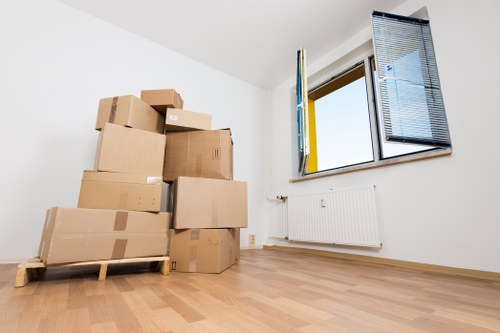
Good preparation makes commercial relocation far easier. Even when the moving team is handling the lifting and transport, your own internal organisation will affect how efficiently things go. The best preparation is usually simple, structured, and focused on keeping the most important items easy to identify. If your team is well briefed, moving day becomes much more controlled.
Here is a useful preparation checklist:
- Confirm what is being moved and what will be left behind
- Identify priority items needed on the first day in the new premises
- Label boxes by department, room, or function
- Back up digital files and prepare IT shutdown procedures
- Empty or secure confidential documents in advance
- Notify staff of the move schedule and their responsibilities
- Arrange parking or loading permissions where needed
- Measure key furniture and doorways if access could be tight
- Set aside essential items that should travel last and be unpacked first
Some businesses also choose to pack in phases. For example, archive boxes and spare stock can move earlier, while computers, phones, and daily-use equipment are left until the final day. This can help protect business continuity and reduce the time staff spend searching for essential items after arrival. If your premises are in a busy part of Haringey, it is also worth considering access times that avoid peak traffic or the busiest customer periods.
Another good habit is to assign one person as the move coordinator. That person can answer questions, keep the inventory up to date, and make quick decisions during the move. Having a single point of contact helps avoid confusion and keeps the process moving in the right order. For busy business owners, that kind of organisation can be a real time-saver.
Pricing factors for commercial removals
Businesses often want to know what affects the cost of a commercial move before they commit. While exact pricing depends on the job, several common factors usually influence the quotation. A clear estimate should be based on the details of your premises, the volume of items, and the level of support required rather than on a rough guess.
Typical pricing factors include:
- Move volume - The amount of furniture, stock, boxes, and equipment to transport
- Access conditions - Stairs, lifts, long carries, narrow entrances, or limited loading access
- Distance - Local moves within Haringey may be simpler than cross-borough relocations, but timing still matters
- Complexity - Dismantling furniture, handling specialist equipment, or moving a multi-floor office
- Timing - Evening, weekend, or urgent moves may require different planning
- Packing support - Whether you need full packing, partial packing, or transport only
- Number of crew members - Larger or faster moves may require more hands on the day
It is usually wise to request a tailored quote rather than assuming every move is similar. Two offices with the same floor space can need very different approaches depending on furniture layout, access, IT equipment, and the amount of dismantling involved. When you request a quote, try to provide as much detail as possible so the estimate reflects the real requirements of your move.
Transparent planning helps avoid surprises. A reputable moving team will usually ask questions about your premises and schedule before agreeing the work. That attention to detail is a positive sign, because it shows they are planning for the real conditions of your move rather than making assumptions.
Why choose a local Haringey commercial moving team
There are many reasons businesses prefer a local moving company for commercial moves in Haringey. The first is responsiveness. A local team can often inspect the site sooner, adapt to changes faster, and handle time-sensitive moving windows more effectively. The second is familiarity. If a mover already understands the borough’s traffic patterns, parking restrictions, and common access issues, they are in a stronger position to keep your relocation on track.
There is also a practical benefit to using people who regularly work in local commercial environments. They are more likely to understand the realities of moving into or out of shop units, shared offices, or converted properties. That can be especially helpful in areas such as Finsbury Park edges, Turnpike Lane, Harringay Ladder streets, Seven Sisters approaches, and around the commercial centres of Tottenham and Wood Green, where access and timing can vary considerably from one property to the next.
Local service also tends to feel more personal. Rather than treating your move as a generic job, a nearby team is more likely to pay attention to the realities of your business schedule, your building constraints, and the way your operation needs to restart. That is important whether you are a small independent trader, a professional practice, or a growing company moving into larger premises.
When you are comparing moving options, look for signs of practical experience. Do they ask about parking? Do they want to know about floors and lifts? Do they discuss item lists and timing? Those are all positive signs that they understand commercial relocation properly. A good mover should make you feel that the move has been thought through, not rushed.
Areas covered across Haringey and nearby locations
Businesses in many parts of the borough may need support with commercial relocation, and local coverage is often a key part of choosing the right team. Because Haringey includes a mix of busy town centres, quieter side streets, and commercial pockets, the route and access details can matter as much as the destination itself.
Areas commonly associated with commercial moves in and around Haringey include:
- Wood Green
- Tottenham
- Hornsey
- Crouch End
- Harringay
- Turnpike Lane
- Seven Sisters
- Finsbury Park borders
- Muswell Hill
- Bounds Green
- Manor House vicinity
Nearby business areas and connections can also affect scheduling, especially where a company is moving between Haringey and surrounding parts of North London. If your business spans more than one site, or if you are relocating into the borough from another area, it helps to work with a moving team that is comfortable navigating both local streets and busier main-road access points.
What to expect on moving day
On the day of the move, a commercial relocation should feel organised and purposeful. Ideally, the crew arrives with a clear plan, understands what needs to come out first, and knows which items require extra care. If you have prepared well, the loading process becomes more efficient and there is less chance of confusion at either property.
On moving day, you can expect the following practical steps:
- Walk-through of the premises and confirmation of key items
- Review of access routes, parking, and lift or stair use
- Careful removal of packed items and furniture
- Protection of larger items and fragile equipment as needed
- Secure loading of the vehicle in a sensible sequence
- Transport to the new site with attention to route and timing
- Unloading and placement in agreed rooms or zones
- Final checks to make sure nothing has been overlooked
For customer-facing businesses, it can help to separate essential operating items from non-essential items. That way, reception tools, payment equipment, or basic office supplies can be prioritised. If you are moving a retail unit or hospitality space, you may also want the most visible or urgent items placed first so you can begin reassembly quickly.
If your new premises are not yet fully ready, your move may need a different approach. In that case, storage planning, phased delivery, or temporary holding arrangements may be worth discussing. The key is to avoid moving everything before the destination is ready to receive it. That simple planning step can prevent delays and unnecessary handling.
Practical benefits for businesses under time pressure
Many commercial customers are not simply moving because they want a change of scenery. They are often working to a lease deadline, an expansion plan, a refurbishment window, or a business continuity schedule. In those circumstances, a commercial move needs to be efficient, reliable, and well coordinated. The right support can reduce the amount of time your team spends lifting, sorting, and troubleshooting.
Useful benefits of using a professional commercial moving service include:
- Less disruption to staff and customers
- Safer handling of heavy or awkward furniture
- Reduced risk of damage to equipment and premises
- Better organisation through labelling and planned placement
- Faster transition between old and new locations
- Support for evening, weekend, or phased moves
- More confidence when moving into busy or access-restricted locations
For many local businesses, the value of professional help is not just about strength or transport. It is about control. A controlled move is easier to track, easier to complete, and easier to recover from once the items arrive. That can make a real difference to your first day in the new premises and to the speed at which your business returns to normal.
If your move involves a combination of public-facing areas, back-office spaces, storage rooms, and specialist rooms, then a controlled approach becomes even more important. It helps ensure the right items reach the right place and reduces the amount of time your staff spend re-sorting boxes after delivery.
Frequently asked questions
Do commercial moves have to happen outside working hours?
Not always. Some businesses prefer evenings or weekends to limit disruption, but others move during the day if their operation allows it. The best schedule depends on your trading hours, staff availability, and the nature of the premises.
Can you move office furniture and IT equipment together?
Often yes, provided everything is packed and handled appropriately. Computers, monitors, printers, and related equipment may need extra care, and it is helpful to label cables and accessories clearly before the move.
What if my building has poor parking or tight access?
That is common in parts of Haringey. A local moving team can plan around parking restrictions, loading limits, stairs, and lifts. It is best to mention access challenges early so they can be factored into the move plan.
Can a move be done in stages?
Yes. Many commercial customers prefer phased relocation so they can keep part of the business running. Items can be moved department by department, floor by floor, or in priority order.
How far in advance should I book?
As early as possible if you have a fixed date, especially if the move is large or time-sensitive. However, if your circumstances change, it is still worth enquiring because local availability can sometimes accommodate urgent work.
What should I do with confidential files?
Confidential documents should be packed securely, labelled carefully, and handled according to your internal policy. If you need a higher level of control, discuss this in advance so the move is planned around it.
Final thoughts and next steps
Planning Commercial Moves in Haringey does not need to be overwhelming, but it does need to be organised. The borough’s mix of busy high streets, older buildings, shared spaces, and restricted access points makes local experience especially valuable. Whether you are moving a small office, a retail unit, a practice, or a larger business space, the right support can help you protect your equipment, reduce downtime, and stay focused on running your business.
If you are at the stage of comparing options, think about what would make the move easier for your team. Do you need packing support? Help with dismantling furniture? An evening move? A phased schedule? A careful, local approach can be tailored to those needs. Contact us today to discuss your move requirements, request a free quote, or book your service now.
With the right planning and a crew that understands the realities of business relocation in Haringey, your move can be handled in a practical, efficient way that supports a smoother transition into your next premises.